
Smart Building Systems: Integrating IoT for Peak Energy Management in Commercial Spaces
Modern commercial spaces are no longer just about architecture and aesthetics. They’re ecosystems that rely on data, automation, and intelligent systems to function efficiently. In today’s world, where energy costs are rising and sustainability is a business priority, the integration of Internet of Things (IoT) technology in smart building systems is becoming essential.
For companies aiming to reduce operational costs, improve comfort, and achieve energy efficiency, IoT-based smart systems offer a real, measurable advantage. From intelligent lighting and HVAC automation to predictive maintenance and real-time energy analytics, these technologies are changing how businesses manage their facilities.
This article explores how IoT integration transforms energy management in commercial buildings and why working with qualified commercial electricians like HD Electrics ensures safe, effective implementation of such systems.
The Rise of Smart Buildings in the Commercial Sector
A smart building uses connected devices, sensors, and analytics platforms to collect data and make decisions that improve energy use, comfort, and safety. What was once a futuristic concept is now a key part of modern building management.
Businesses across retail, healthcare, hospitality, and manufacturing are investing in smart technologies to cut waste and improve operations. This shift isn’t only about adopting new gadgets—it’s about creating an environment where systems communicate seamlessly.
A commercial office, for example, might use motion sensors to adjust lighting automatically or thermostats that learn occupant patterns to maintain optimal temperature. Over time, these systems help reduce energy consumption and extend the lifespan of electrical infrastructure.
How IoT Integration Transforms Energy Management
1. Real-Time Data Collection and Monitoring
IoT devices provide a continuous stream of data on how energy is consumed across a building. Sensors measure usage in HVAC systems, lighting, elevators, and even plug loads. Facility managers can access this data in real time through centralized dashboards, allowing them to spot inefficiencies instantly.
Instead of relying on monthly utility bills, businesses can now monitor energy flow minute by minute. This proactive approach makes it easier to detect unusual patterns—like equipment drawing excess power or systems running unnecessarily outside business hours.
2. Automated Control Systems
Smart buildings use IoT-enabled control systems to automate functions such as lighting, air conditioning, and ventilation. For instance, occupancy sensors can turn off lights and reduce HVAC output in empty meeting rooms. This automation not only saves energy but also minimizes human error.
Building automation systems (BAS) integrate all these controls, providing a unified interface for managing energy usage. The result is smoother operation, consistent comfort, and significantly reduced utility costs.
3. Predictive Maintenance and Fault Detection
One of IoT’s biggest advantages is predictive maintenance. Sensors track equipment performance and send alerts when they detect potential issues—before a breakdown occurs. For example, a sensor might notice that a motor is drawing higher current than usual, indicating wear or imbalance.
This early detection helps facility managers schedule maintenance efficiently, avoid costly downtime, and extend equipment life. It also supports sustainability goals by reducing unnecessary replacements and waste.
4. Energy Optimization through Machine Learning
When IoT systems are paired with machine learning algorithms, they can analyze data trends to suggest or automatically implement energy-saving measures. Over time, these systems “learn” when and how to adjust controls for maximum efficiency.
For example, an intelligent HVAC system might identify that on certain days the building remains partially unoccupied and automatically reduce energy consumption in those zones. This optimization ensures comfort without excess spending.
Key Components of a Smart Building System
To understand how these systems work together, it helps to look at the core technologies behind them.
Smart Sensors
These are the foundation of any IoT network. Sensors detect temperature, humidity, light levels, motion, and occupancy. The data they generate informs decisions on energy distribution, air quality control, and more.
Smart Meters
Unlike traditional meters, smart meters provide real-time feedback on electricity, water, and gas consumption. This information helps facility managers understand where energy is being wasted.
Building Management Systems (BMS)
A BMS connects various building systems—HVAC, lighting, access control—into one centralized platform. It allows operators to monitor, adjust, and optimize performance remotely.
Cloud Platforms and Data Analytics
Cloud computing enables large-scale data storage and analysis. The analytics layer identifies trends, inefficiencies, and opportunities for optimization.
Connected Controls
From smart thermostats to automated blinds and dimmable LED fixtures, connected controls provide the interface for making data-driven adjustments in real time.
Role of Commercial Electricians in Smart Building Integration
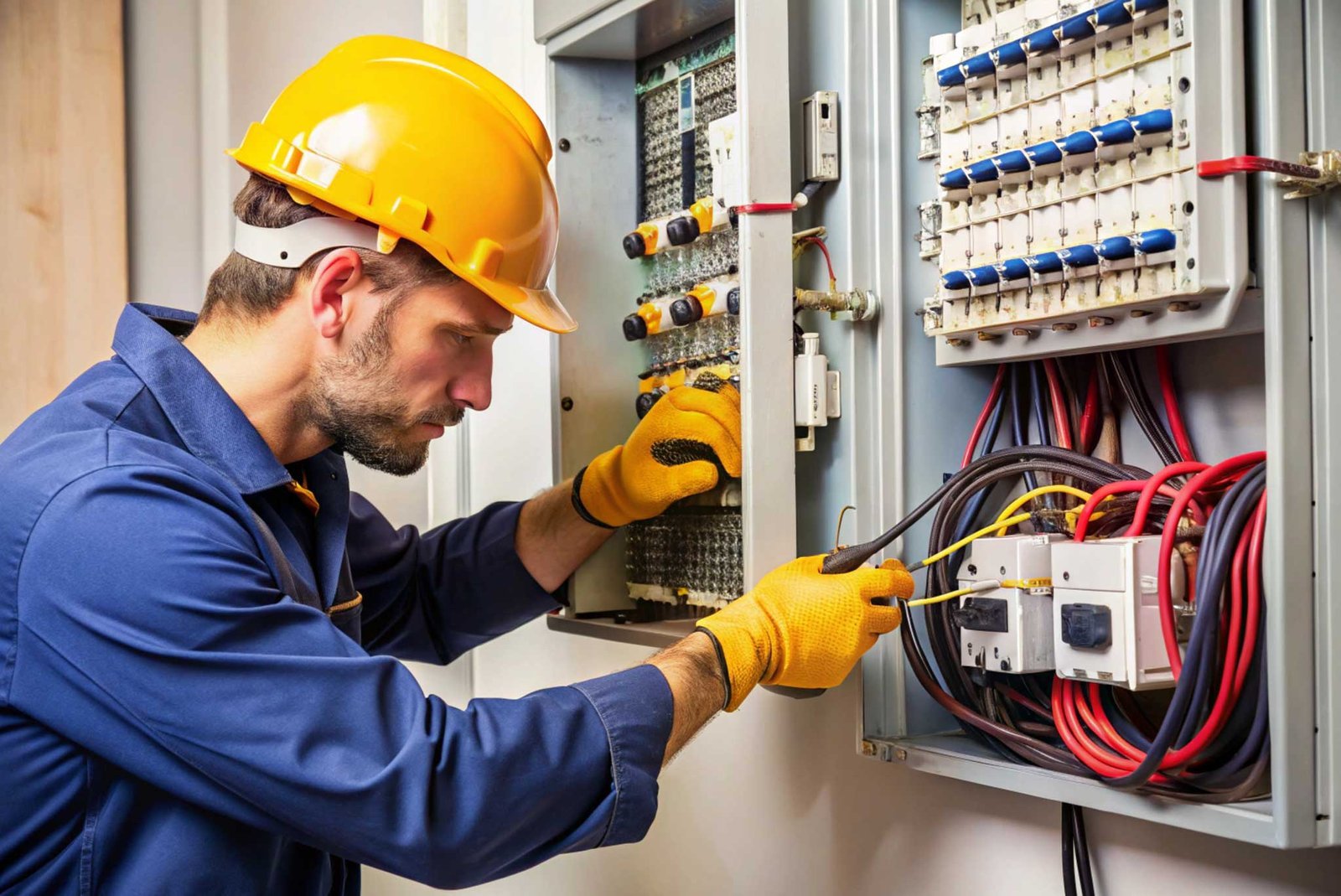
While IoT systems are often discussed in terms of software and data, their foundation lies in proper electrical design and installation. Commercial electricians play a crucial role in ensuring these systems are safe, compliant, and efficient.
Designing the Electrical Infrastructure
Before IoT devices can communicate, they need a robust electrical and network backbone. Electricians design power layouts that can handle the increased data load and device connectivity without overloading circuits.
Installation and System Integration
A professional electrician ensures that sensors, meters, and control systems are correctly installed, grounded, and integrated with existing electrical setups. Mistakes in installation can lead to safety hazards or system malfunctions.
Compliance and Safety
Electrical codes and standards must be met, especially in commercial buildings where safety regulations are strict. Experienced commercial electricians ensure compliance with local and national standards, protecting both property and occupants.
Ongoing Maintenance and Upgrades
Smart systems evolve quickly. Electricians who specialize in commercial IoT setups help businesses maintain their systems, troubleshoot issues, and upgrade outdated components as technology advances.
HD Electrics, for example, provides tailored solutions for integrating IoT devices into existing infrastructures, ensuring both functionality and compliance. Their expertise in energy-efficient electrical installations supports long-term operational savings.
Real-World Applications of Smart Energy Management
Office Buildings
In offices, IoT-enabled systems manage lighting, HVAC, and even elevators based on occupancy data. Automated scheduling ensures lights are off after hours and temperature levels are optimized during work hours.
Retail Spaces
Smart systems adjust lighting and display power based on store traffic. Energy use can be tracked per department or product area, giving retailers precise control over operating costs.
Hotels and Hospitality
Hotels use IoT sensors to monitor room occupancy and adjust energy use accordingly. Guests enjoy comfort without unnecessary energy waste, and operators save on overhead costs.
Industrial Facilities
Factories benefit from predictive maintenance and equipment monitoring. IoT sensors can alert managers to overheating machinery or inefficient power consumption, preventing costly downtime.
Challenges and Considerations in Implementing IoT Systems
While IoT offers major advantages, successful implementation requires planning and expertise.
Data Security
Connected systems must be protected from cyber threats. Businesses should work with vendors and electricians familiar with secure configurations and encrypted communication protocols.
Integration with Legacy Systems
Older buildings often have outdated electrical systems. Retrofitting these spaces with IoT technology requires careful coordination to ensure compatibility.
Cost and ROI
The upfront investment in IoT-enabled systems can be significant. However, the return through energy savings, reduced maintenance, and improved asset lifespan typically outweighs initial costs within a few years.
Skilled Workforce
A key challenge is finding qualified professionals who understand both electrical infrastructure and smart technologies. Partnering with experienced commercial electricians ensures seamless integration and reliable performance.
The Future of Smart Buildings and IoT
Smart building systems will continue to evolve as IoT technology advances. Integration with renewable energy sources like solar panels and battery storage will become more common, helping businesses achieve net-zero energy goals.
Edge computing—processing data locally rather than in the cloud—will make systems faster and more secure. Meanwhile, Artificial Intelligence (AI) will further refine predictive maintenance, energy optimization, and fault detection.
For businesses, the takeaway is clear: investing in smart systems is not just a sustainability decision; it’s a long-term strategy for operational efficiency and cost control.
Conclusion
Integrating IoT into commercial building systems has moved from being a trend to a necessity. It enables real-time energy management, predictive maintenance, and optimized comfort—all key to running a modern, efficient workspace.
However, the success of these systems depends on proper design, safe installation, and ongoing maintenance. That’s where professional electricians like HD Electrics make the difference. Their expertise ensures every sensor, meter, and automation system operates at peak performance while maintaining compliance and safety.
For businesses looking to reduce energy costs and future-proof their operations, now is the time to explore IoT-driven smart building solutions. Partnering with a trusted electrical team ensures that every investment in technology delivers real results—today and in the years ahead.