Signs Your Fuse Board Needs Replacing
Your fuse board works quietly in the background every single day, managing every amp of electricity that flows through your home. Most homeowners never give it a second thought — until something goes wrong. But here is the thing: your fuse board will often show warning signs long before it fails completely, and knowing what to look for could save you from a serious electrical fault, a house fire, or a failed home insurance claim.
In this guide, the team at HD Electrics breaks down the key signs your fuse board needs replacing, what those signs actually mean, and why acting quickly is always the right call.
What Is a Fuse Board and Why Does It Matter?
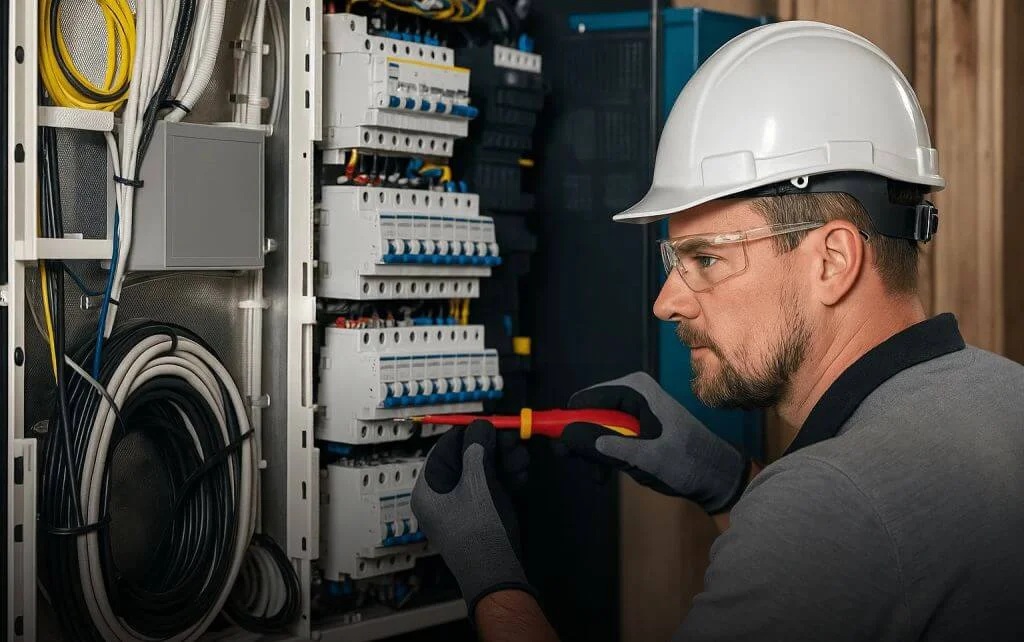
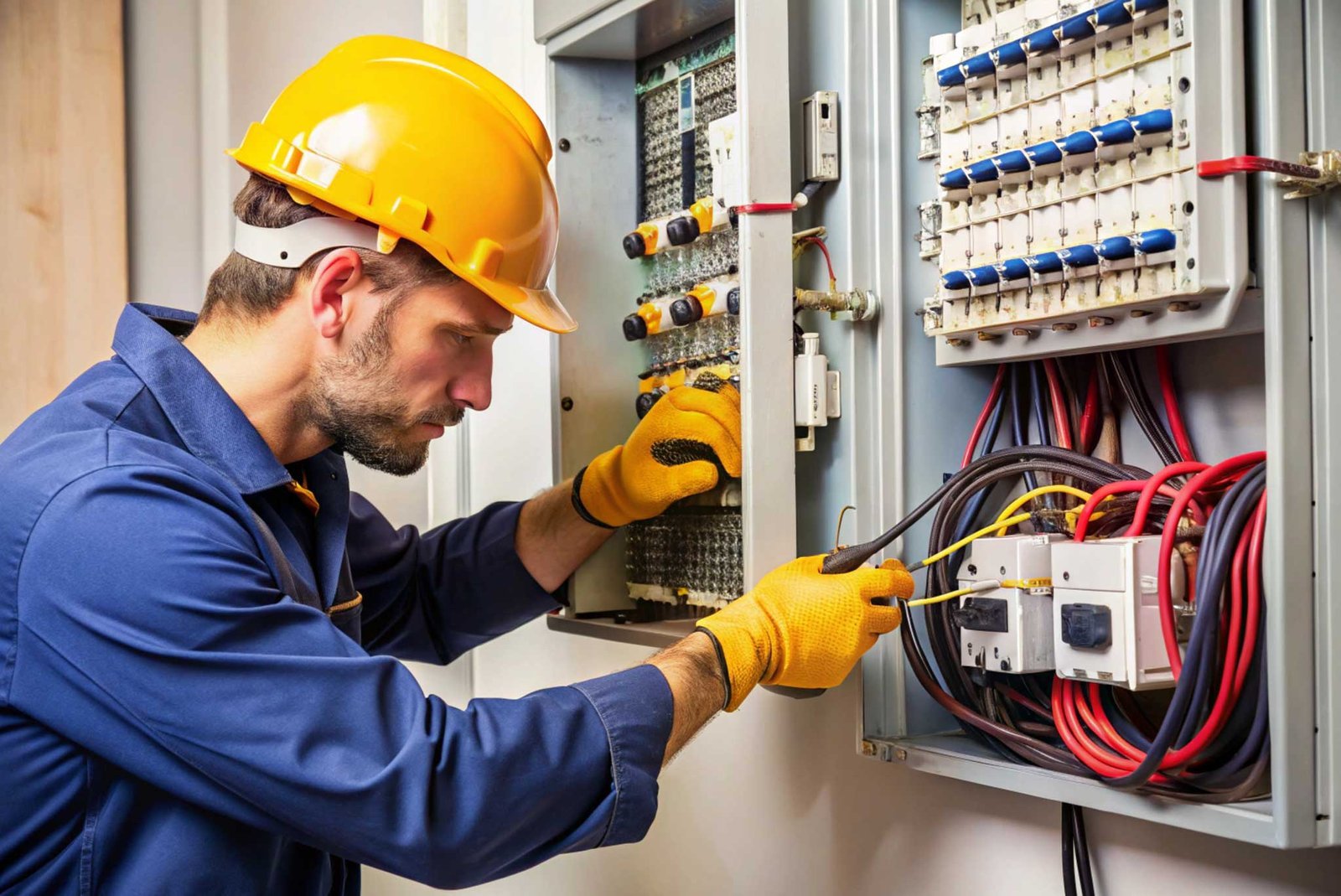
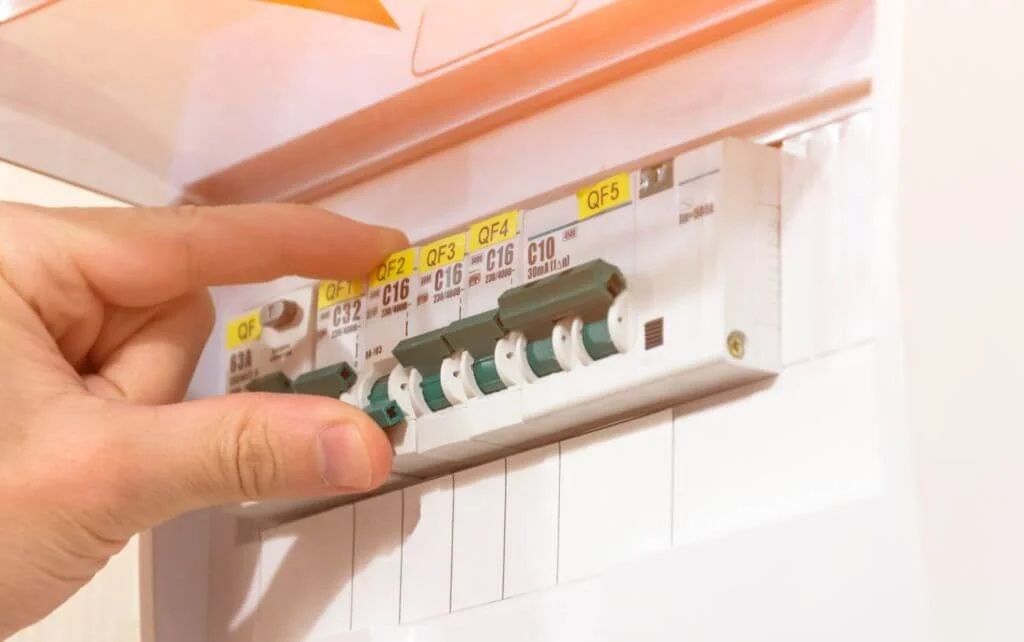
Before getting into the warning signs, it is worth understanding what your fuse board actually does. Also called a consumer unit, your fuse board is the central hub that controls and protects all of the electrical circuits in your home. It receives the electricity supply from the grid and distributes it safely across your lighting, sockets, appliances, and more.
When a circuit is overloaded or a fault occurs, the fuse board is designed to cut the power to that circuit automatically, protecting your wiring and reducing the risk of fire or electric shock.
An outdated or faulty fuse board cannot do that job reliably. That is why keeping it in good working order is not just a matter of convenience — it is a matter of safety.
Your Fuse Board Still Has Rewirable Fuses
If you open your consumer unit and see a row of small ceramic fuses with wire threaded through them, your electrical system is old. These rewirable fuse boards were the standard installation in UK homes built before the 1960s and 1970s, and while they were fit for purpose at the time, they are no longer considered safe or adequate for modern living.
The problem with rewirable fuses is that they offer very limited protection. They do not trip automatically the way modern circuit breakers do. Instead, someone has to manually replace the fuse wire after a fault. More worryingly, if the wrong gauge of fuse wire is used (which happens more often than you might think), the protection level is compromised entirely.
Modern consumer units use RCDs (Residual Current Devices) and MCBs (Miniature Circuit Breakers), which respond to faults in a fraction of a second. If your board still relies on old-style fuses, it is time to speak with a local electrician about a full replacement.
Breakers That Keep Tripping
An occasional tripped breaker is not unusual — it often just means you plugged in one too many appliances on a single circuit. But if you are regularly resetting the same breaker, or if your board seems to trip for no obvious reason, that is a sign that something more serious is going on.
Frequent tripping can point to:
- Overloaded circuits that cannot handle the electrical demand in your home
- Faulty wiring behind the walls
- A deteriorating breaker that can no longer hold reliably
- An undersized board that was not designed to cope with modern appliances
Homes built 30 or 40 years ago were not designed with today’s electrical load in mind. Think about everything running at once in the average household — electric showers, EV chargers, washing machines, dishwashers, multiple televisions, gaming systems, smart home devices. Older fuse boards simply were not built to handle that kind of demand, and they will let you know about it.
Rather than resetting the same breaker week after week, have a qualified local electrician assess the board properly. What feels like a minor inconvenience can be an early warning of a much bigger problem.
Signs Your Fuse Board Needs Replacing: You Notice Burning Smells or Scorch Marks
This one should never be ignored. If you smell burning near your consumer unit, or you notice any discolouration, scorch marks, or melted plastic around the board or the surrounding area, you need to act immediately.
Burning smells from a fuse board typically mean that wiring is overheating. This can happen when connections become loose over time, when the board is overloaded, or when internal components start to fail. In the worst cases, this is how electrical fires start.
Scorch marks are physical evidence that something has already overheated. Even if everything seems to be working normally right now, the damage has been done, and the risk of it happening again — or escalating — is very real.
Turn off the main switch, avoid using the affected circuits, and call a qualified electrician right away. Do not attempt to inspect or repair the board yourself.
Your Home Is More Than 25 Years Old and the Board Has Never Been Replaced
Electrical installations do not last forever. The current UK standard for electrical safety in domestic properties recommends that a full electrical installation condition report (EICR) is carried out every 10 years for owner-occupied homes, and every 5 years for rented properties. If your fuse board has never been assessed or replaced in over 25 years, there is a strong chance it no longer meets modern safety standards.
Older consumer units — particularly those with no RCD protection — leave your home and family exposed to risks that a modern board would prevent. RCD protection is designed to detect faults and cut the power within milliseconds, fast enough to prevent a fatal electric shock in many situations. It is now a requirement under the 18th Edition Wiring Regulations (BS 7671) that all new consumer units installed in the UK include RCD protection.
If yours does not have it, upgrading is not just good practice — it may be necessary to comply with regulations, and it will certainly help if you ever need to make a home insurance claim following an electrical fault.
You Are Extending, Renovating, or Adding an EV Charger
Planning a kitchen extension? Adding a home office? Installing a hot tub or an EV charging point? Any significant addition to your home’s electrical system is a good opportunity to assess whether your existing fuse board is up to the job.
Adding new circuits to an already stretched consumer unit can push it beyond its safe capacity. A competent local electrician will be able to tell you whether your current board has room for additional circuits, or whether a new, larger consumer unit is the right step.
In many cases, homeowners investing in EV chargers or renewable energy systems like solar panels find that a board upgrade is needed anyway, since these systems have specific requirements that older boards cannot always support. Getting the board right from the start means everything runs safely and efficiently from day one.
The Board Has No RCD Protection
As mentioned above, RCDs are a critical safety feature in modern electrical installations. If your fuse board has no RCD protection at all, it is missing one of the most important layers of defence against electric shock and electrical fires.
You can usually tell whether your board has RCD protection by looking for a switch labelled “RCD” or a larger switch that covers multiple circuits. Some older boards have a single RCD covering the whole installation, while modern split-load or dual RCD boards divide circuits into groups, which means that if one RCD trips, only half the house loses power rather than the entire property.
If you are not sure what type of protection your board has, do not guess. Have it inspected by a qualified electrician who can assess it against current regulations and advise you on the best course of action.
You Have Had a Failed Electrical Inspection
If your home has recently been inspected — perhaps as part of a house purchase, a landlord compliance check, or a building regulations sign-off — and the report has highlighted issues with your consumer unit, that is your answer. A failed EICR or an unsatisfactory report is a formal indication that your electrical installation is not up to the required standard.
Codes C1 and C2 on an EICR report indicate dangerous or potentially dangerous conditions. A C1 means danger is present and remedial work should be carried out immediately. A C2 means a potentially dangerous condition that needs urgent attention. Either of these relating to your fuse board means a replacement is not optional.
Ignoring the findings of an electrical report is not just risky — it can also affect your home insurance, your ability to sell the property, and in the case of rented properties, your compliance with legal obligations as a landlord.
How HD Electrics Can Help
At HD Electrics, we carry out fuse board replacements and consumer unit upgrades to the highest standard, fully compliant with the 18th Edition Wiring Regulations and BS 7671. Every installation we complete is certified and notified to your local building control authority, so you have complete peace of mind.
Whether you have noticed one of the warning signs above, or you simply want your electrical installation checked over by a professional, our experienced team is here to help. We serve homeowners and landlords across the UK, and we pride ourselves on clear communication, honest advice, and quality workmanship every time.
If you are not sure whether your fuse board needs replacing, do not wait until something goes wrong. Get in touch with us at hd-electrics.com and book an inspection with a trusted local electrician today.
Conclusion
Your fuse board is one of the most important safety features in your home, and the signs that it needs replacing are often there long before a serious fault occurs. Old rewirable fuses, frequent tripping, burning smells, a lack of RCD protection, or a failed electrical inspection are all clear indicators that action is needed.
The good news is that replacing a fuse board is a straightforward job for a qualified electrician, and the peace of mind it brings is well worth the investment. A modern consumer unit not only keeps your home safer — it also brings your electrical installation up to current standards, which matters for insurance purposes, property sales, and day-to-day reliability.
If any of the signs in this guide sound familiar, take them seriously. Contact HD Electrics today and speak with a qualified local electrician who will give you honest, expert advice — no jargon, no pressure, just professional guidance you can rely on.
HD Electrics is a professional electrical services company serving homeowners, landlords, and businesses across the Manchester and Surrounding Areas. All electrical work is carried out by qualified, registered electricians to the highest safety standards.