Benefits of LED Lighting
Lighting accounts for a significant share of the electricity used in homes and businesses across the UK, and with energy prices continuing to climb, more property owners are looking for practical ways to cut costs without compromising on comfort or performance. For many, that solution has already arrived in the form of LED lighting.
At HD Electrics, we work with homeowners, landlords, businesses, and property developers across the North West to design and install lighting systems that reduce running costs, improve safety, and modernise properties inside and out. Over the years, we have seen first-hand how a well-planned LED lighting upgrade transforms not just the look of a space, but its running costs, its safety profile, and its long-term value.
This guide sets out to explain, in practical and technical detail, exactly why LED lighting has become the standard choice for residential and commercial properties. We will cover how LED technology works, the financial and environmental benefits of switching, the impact on lighting quality and productivity, and why professional installation is essential to getting the full benefit of an LED system. By the end, you will have a clear, well-informed picture of what an LED lighting upgrade can do for your property, and why working with a qualified electrician makes all the difference.
What Is LED Lighting and How Does It Work?
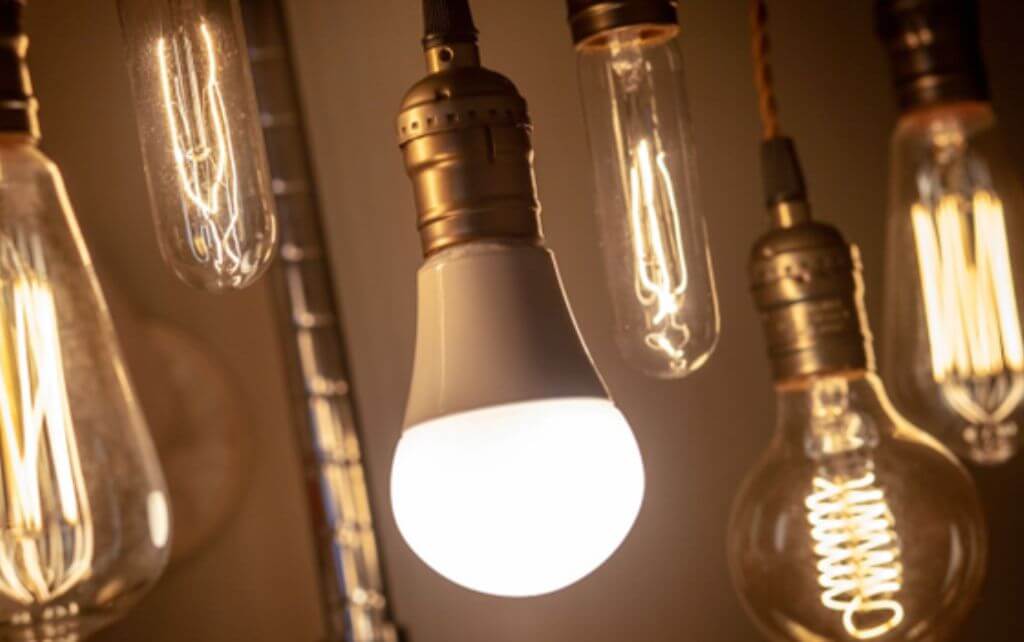
LED stands for Light Emitting Diode. Unlike traditional incandescent bulbs, which produce light by heating a filament until it glows, an LED produces light through a process called electroluminescence. When an electrical current passes through a semiconductor material inside the diode, electrons release energy in the form of photons, and this creates visible light.
This difference in method is the reason LED lighting outperforms older technologies on almost every measure. Incandescent bulbs waste a large proportion of their energy as heat rather than light, which is why they feel hot to the touch and burn out quickly. Halogen bulbs work on a similar principle and share many of the same drawbacks. Compact fluorescent lamps (CFLs) improved on this somewhat, but they still rely on gas discharge and contain small amounts of mercury, which brings its own handling and disposal considerations.
LEDs convert a much higher percentage of electrical energy directly into light rather than heat. This means less wasted energy, cooler-running fittings, and a light source that lasts many times longer than its predecessors. The efficiency of an LED is typically measured in lumens per watt, which tells you how much visible light output you get for the electricity you put in. A modern LED fitting can produce the same brightness as an old incandescent bulb while using a fraction of the wattage.
For homeowners and business owners alike, understanding this basic technology helps explain why LED lighting benefits go far beyond a lower electricity bill. The reduced heat output also means less strain on fittings, lower fire risk from overheating fixtures, and better performance in enclosed or insulated spaces where heat build-up has traditionally been a problem.
Energy Efficiency Benefits of LED Lighting
The most immediate and widely recognised advantage of LED lighting is its energy efficiency. Traditional incandescent and halogen bulbs lose most of their energy as heat, whereas LEDs direct the majority of the electricity they consume into producing usable light.
For a household, this typically means noticeably lower electricity bills, particularly in properties with many light fittings such as kitchens, hallways, and outdoor security lighting. For commercial properties, where lighting can run for extended hours across large floor areas, the savings scale up considerably. Offices, retail units, warehouses, and industrial premises all stand to gain substantial reductions in their lighting-related energy consumption simply by replacing outdated fittings with efficient LED alternatives.
Reduced electricity consumption also has a direct effect on carbon emissions. Less energy drawn from the grid means a smaller carbon footprint for the property, which supports both personal sustainability goals and, for businesses, broader corporate responsibility commitments. As more organisations are asked to report on their environmental impact, professional LED lighting installation services offer a tangible, verifiable step towards more sustainable operations
There is also a compounding effect worth understanding. Efficient lighting reduces the load on electrical circuits and, in commercial settings, can reduce the strain placed on cooling systems, since older lighting technologies generate excess heat that air conditioning then has to work to remove. This knock-on saving is often overlooked but can meaningfully add to the overall energy-saving lighting benefits of a full LED retrofit.
Longer Lifespan Means Lower Maintenance Costs
One of the most practical advantages of LED lighting is simply how long it lasts. A typical incandescent bulb might last around 1,000 hours, and a halogen bulb only slightly longer. CFLs generally last somewhere between 8,000 and 10,000 hours. LED fittings, by comparison, are commonly rated for 25,000 to 50,000 hours or more, depending on the quality of the fitting and how it is used.
For a household, this translates into far fewer trips up a ladder to replace bulbs, and far less frequent spending on replacements. For landlords managing multiple properties, or businesses managing large commercial premises, the maintenance savings become significant. Fewer replacements mean fewer call-outs, less disruption, and lower labour costs associated with lighting maintenance.
This is particularly relevant for commercial and industrial premises where lighting is often installed in hard-to-reach locations such as high ceilings in warehouses, external signage, or communal areas in large buildings. Replacing a bulb in these locations is rarely a quick job. It often requires specialist access equipment and scheduled downtime. By reducing how often this needs to happen, LED lighting directly supports business continuity, minimising disruption to daily operations and reducing the ongoing cost of facilities management.
For property developers and landlords, longer-lasting lighting also means fewer maintenance requests from tenants and a reduced burden on ongoing property upkeep, which is a benefit that pays off consistently over the years a property is owned or let.
Better Lighting Quality for Homes and Businesses
Beyond cost savings, LED lighting offers a genuine improvement in the quality of light produced. Modern LED fittings are available across a wide range of colour temperatures, measured in Kelvin, allowing lighting to be tailored precisely to its purpose. Warmer tones, typically around 2700K to 3000K, suit living rooms, bedrooms, and hospitality spaces where a relaxed atmosphere is wanted. Cooler, brighter tones, often 4000K and above, are better suited to kitchens, offices, workshops, and retail environments where clarity and alertness matter.
LEDs also tend to offer excellent colour rendering, meaning the colours of objects, food, fabrics, and products appear more true to life than under older lighting types. This is particularly valuable in retail settings, where accurate colour representation can influence how customers perceive products, and in kitchens or bathrooms, where good colour rendering supports both function and appearance.
Better quality lighting also has a measurable effect on comfort and performance. Flickering or poorly balanced lighting from ageing fittings can contribute to eye strain and fatigue, particularly in workplaces where staff spend long hours under artificial light. Upgrading to a well-designed LED system with consistent, flicker-free output supports better concentration and reduces the visual fatigue that can affect productivity over the course of a working day.
In the home, well-designed LED lighting improves everyday comfort. Task lighting in kitchens becomes more effective, hallways and staircases become safer to navigate, and living spaces can be adjusted in tone to suit different times of day. This combination of practicality and ambience is one of the reasons LED lighting for homes has become such a popular upgrade among homeowners looking to modernise their properties.
Environmental Benefits of LED Lighting
Sustainability is an increasingly important consideration for both homeowners and businesses, and lighting plays a bigger role in this than many people realise. LED lighting supports environmental goals in several distinct ways.
First, the reduced energy consumption we have already discussed translates directly into lower carbon emissions, since less electricity needs to be generated to power the same amount of lighting. Over the lifetime of a property, this reduction adds up considerably, particularly when a full retrofit replaces dozens or hundreds of older fittings.
Second, LED lighting produces far less waste over time. Because LED fittings last so much longer than incandescent, halogen, or CFL alternatives, fewer bulbs end up in landfill. This is a meaningful consideration for businesses managing large numbers of fittings, where the cumulative waste from frequent bulb replacement can be considerable.
Third, unlike CFLs, LED lights do not contain mercury or other hazardous materials, which removes the disposal and handling concerns associated with older energy-efficient lighting technologies. This makes LED lighting a genuinely eco-friendly lighting option, both in terms of how it is used and how it is eventually disposed of.
For businesses working towards sustainability targets or seeking to demonstrate environmental responsibility to clients and stakeholders, an LED lighting upgrade offers a concrete, easily communicated improvement. It is a change that customers, tenants, and staff can see and feel, not just a figure on a report.
Why Professional LED Installation Makes a Difference
While LED bulbs themselves are widely available, the real value of an LED lighting upgrade comes from how the system is designed and installed. This is where working with a qualified electrician rather than attempting a piecemeal, room-by-room swap makes a substantial difference to the result.
Correct lighting design starts with understanding how a space is used. This means calculating the right lumen output for each room or area, choosing appropriate colour temperatures for different functions, and planning fitting placement to avoid glare, shadowing, or uneven coverage. A poorly planned installation, even with good quality LED products, can leave rooms feeling flat or unevenly lit.
Safe electrical installation is equally important. LED fittings need to be correctly matched to existing circuits, and in many cases, older wiring, transformers, or dimmer switches are not compatible with LED technology without modification. An experienced electrician will assess the existing electrical infrastructure, check circuit loading, and ensure that any necessary upgrades are carried out safely and in compliance with UK wiring regulations.
Compliance matters for more than just safety. Commercial properties in particular are subject to specific lighting and electrical standards, and professional installation ensures that emergency lighting, fire safety requirements, and accessibility considerations are properly addressed. This protects business owners from compliance issues down the line and gives peace of mind that the work has been carried out to the required standard.
At HD Electrics, our approach to every LED lighting installation project begins with a proper assessment of the property, the existing electrical setup, and the client’s goals. Whether it is a single room refurbishment or a full commercial retrofit, our bespoke lighting installation service is built around designing a system that performs well from day one and continues to perform reliably for years afterwards. This attention to detail is what separates a professionally installed LED system from a simple bulb swap, and it is a large part of why properly designed systems consistently deliver better results, lower running costs, and fewer issues over time.
Choosing the Right LED Lighting for Your Property
Not all LED lighting is the same, and the right choice depends heavily on the type of property and how it is used. Understanding the main categories helps property owners make more informed decisions before committing to an upgrade.
Residential lighting needs to balance practicality with comfort. Kitchens benefit from bright, task-focused LED lighting with good colour rendering, while living areas and bedrooms often suit warmer, dimmable options that can be adjusted to suit the time of day. Bathrooms require fittings rated for damp environments, and hallways and staircases benefit from consistent, glare-free illumination for safety.
Commercial LED lighting has different priorities. Offices need lighting that supports concentration and reduces eye strain over long working hours, which often means cooler colour temperatures and even, well-distributed light across desks and workstations. Retail spaces benefit from lighting that enhances product presentation and creates an inviting atmosphere for customers, while warehouse lighting needs to prioritise high lumen output, wide coverage, and durability for continuous operation in demanding environments.
Outdoor and security lighting is another area where LED technology offers clear advantages. LED floodlights and security fittings provide strong, reliable illumination that improves visibility around a property, supporting both safety and security. Motion-activated LED security lighting is particularly effective for deterring unwanted access while keeping running costs low, since the lights only draw significant power when triggered.
Smart LED lighting has also become increasingly popular across both residential and commercial properties. Smart systems allow lighting to be scheduled, dimmed, zoned, or controlled remotely, offering greater flexibility and further energy savings by ensuring lights are only used when and where they are needed. For businesses, this can mean lighting that automatically adjusts based on occupancy or daylight levels, reducing waste without any need for manual intervention.
Finally, feature lighting, whether for architectural highlights, landscaping, or interior design features, allows LED technology to be used creatively while still benefiting from the efficiency and longevity that make LED the sensible choice across every other application. Whatever the property type, working with a qualified local electrician ensures that the lighting solution chosen is properly matched to the space, the electrical infrastructure, and the intended use.
Why Choose HD Electrics for LED Lighting Installation?
HD Electrics has built a reputation across the North West for delivering professional, reliable electrical and lighting solutions to homeowners, landlords, businesses, and property developers. Our experienced electricians bring both technical expertise and practical, on-the-ground knowledge to every project, from small residential upgrades to large-scale commercial retrofits.
We take a bespoke approach to every lighting project, recognising that no two properties have the same requirements. Our team assesses the existing electrical setup, discusses the client’s goals, and designs a lighting solution that balances efficiency, safety, and quality of light. This might mean a full rewire and LED retrofit for an older commercial premises, a smart lighting upgrade for a modern family home, or a targeted lighting redesign for a retail unit looking to improve customer experience.
Quality workmanship is at the core of everything we do. Every installation is carried out to full compliance with UK electrical standards, with careful attention paid to circuit loading, safe wiring practices, and long-term system reliability. Our energy-saving expertise means clients receive honest, practical advice about the fittings, controls, and layouts that will deliver the best return on their investment, rather than a generic, one-size-fits-all recommendation.
Reliable aftercare is another area where HD Electrics stands apart. We understand that a lighting system needs to keep performing well after installation, which is why we offer ongoing support and maintenance services to keep systems running efficiently for years to come. Combined with our local knowledge of properties and electrical infrastructure across the North West, this makes HD Electrics a trusted local electrician for anyone considering an LED lighting upgrade, whether for a single home or a portfolio of commercial premises.
When Should You Upgrade Your Existing Lighting?
Many property owners delay a lighting upgrade simply because their existing bulbs still work, without realising the ongoing cost of continuing to run outdated fittings. There are several clear signs that indicate it is time to consider an LED lighting upgrade.
Rising energy bills that seem disproportionate to usage are often a sign that older, inefficient lighting is drawing more power than necessary. Frequent bulb replacements, particularly in hard-to-reach fittings, point to the kind of ongoing maintenance costs that LED lighting is specifically designed to reduce. Flickering, dimming, or inconsistent lighting can indicate ageing electrical components that may also present safety concerns worth having assessed by a professional electrician.
For commercial properties, a lighting upgrade is also worth considering during any broader refurbishment or fit-out, since this is the most cost-effective time to address wiring, circuit capacity, and lighting design together. Property developers preparing units for sale or let often find that a modern LED lighting scheme improves both the appeal and the perceived value of a property, since buyers and tenants increasingly expect energy-efficient features as standard.
Whatever the trigger, the underlying principle remains the same: continuing to run outdated lighting typically costs more over time than upgrading to a properly designed LED system, both in energy consumption and in the ongoing cost of maintenance and replacement.
Frequently Asked Questions
What are the benefits of LED lighting?
LED lighting reduces electricity consumption, lasts significantly longer than traditional bulbs, produces better quality light, requires less maintenance, and supports environmental sustainability. It also improves safety by generating far less heat than incandescent or halogen alternatives.
Does LED lighting really save money?
Yes. LED lighting uses considerably less electricity to produce the same brightness as traditional bulbs, which lowers energy bills. Combined with a much longer lifespan, this significantly reduces both running costs and replacement costs over time.
How long do LED lights last?
Good quality LED fittings typically last between 25,000 and 50,000 hours, compared to around 1,000 hours for incandescent bulbs and 8,000 to 10,000 hours for CFLs. Actual lifespan depends on the quality of the fitting and how it is used.
Are LED lights better than halogen bulbs?
Yes, in almost every respect. LED lights use significantly less energy, produce less heat, last far longer, and offer better colour rendering options than halogen bulbs, which remain one of the least efficient lighting technologies still in common use.
Is professional LED lighting installation worth it?
Professional installation ensures that lighting is correctly designed for the space, circuits are safely loaded, and the system complies with UK electrical standards. This leads to better performance, improved safety, and a longer-lasting result than a basic bulb swap.
Can LED lighting increase property value?
A modern, energy-efficient lighting system is an attractive feature for buyers and tenants, who increasingly expect efficient, well-designed lighting as standard. A professionally installed LED system can support both the perceived value and the practical appeal of a property.
Are LED lights environmentally friendly?
Yes. LED lights consume less electricity, which reduces carbon emissions, and they do not contain mercury or other hazardous materials found in some older energy-efficient bulbs. Their long lifespan also reduces waste compared to traditional lighting.
Can LED lighting be installed in older properties?
Yes, though older properties often benefit from a professional electrical assessment first, since existing wiring, transformers, or dimmer switches may need upgrading to work correctly with LED technology.
What is the best LED lighting for homes?
The best choice depends on the room. Warmer colour temperatures suit living areas and bedrooms, while brighter, cooler tones work well in kitchens and bathrooms. Dimmable and smart LED options offer additional flexibility for everyday use.
Which LED lighting is best for businesses?
This depends on the type of business. Offices benefit from even, glare-free lighting that supports concentration, retail spaces benefit from lighting that enhances product presentation, and warehouses need high-output, durable fittings suited to continuous operation.
Final Thoughts
LED lighting has become the clear choice for homeowners, landlords, businesses, and property developers looking to reduce running costs, improve safety, and modernise their properties. From lower energy bills and reduced maintenance to better quality light and a smaller environmental footprint, the advantages of LED lighting extend well beyond a simple bulb change.
Getting the full benefit of an LED lighting upgrade depends on proper design and professional installation. Correct wattage calculations, appropriate colour temperature selection, safe circuit loading, and compliance with UK electrical standards all play a part in delivering a system that performs reliably for years to come.
HD Electrics has the experience and technical expertise to deliver LED lighting solutions tailored to homes and businesses across the North West, from bespoke residential upgrades to full commercial retrofits. If you are ready to reduce your energy costs, improve your lighting quality, and invest in a safer, more efficient property, get in touch with HD Electrics today at https://hd-electrics.com/ to discuss your LED lighting project with our experienced team.